You’ve waved at them for three years.
You know their car, roughly when they leave for work, which bin they always forget. You don’t know their name. It’s easy to live like that for years without ever meaning to.
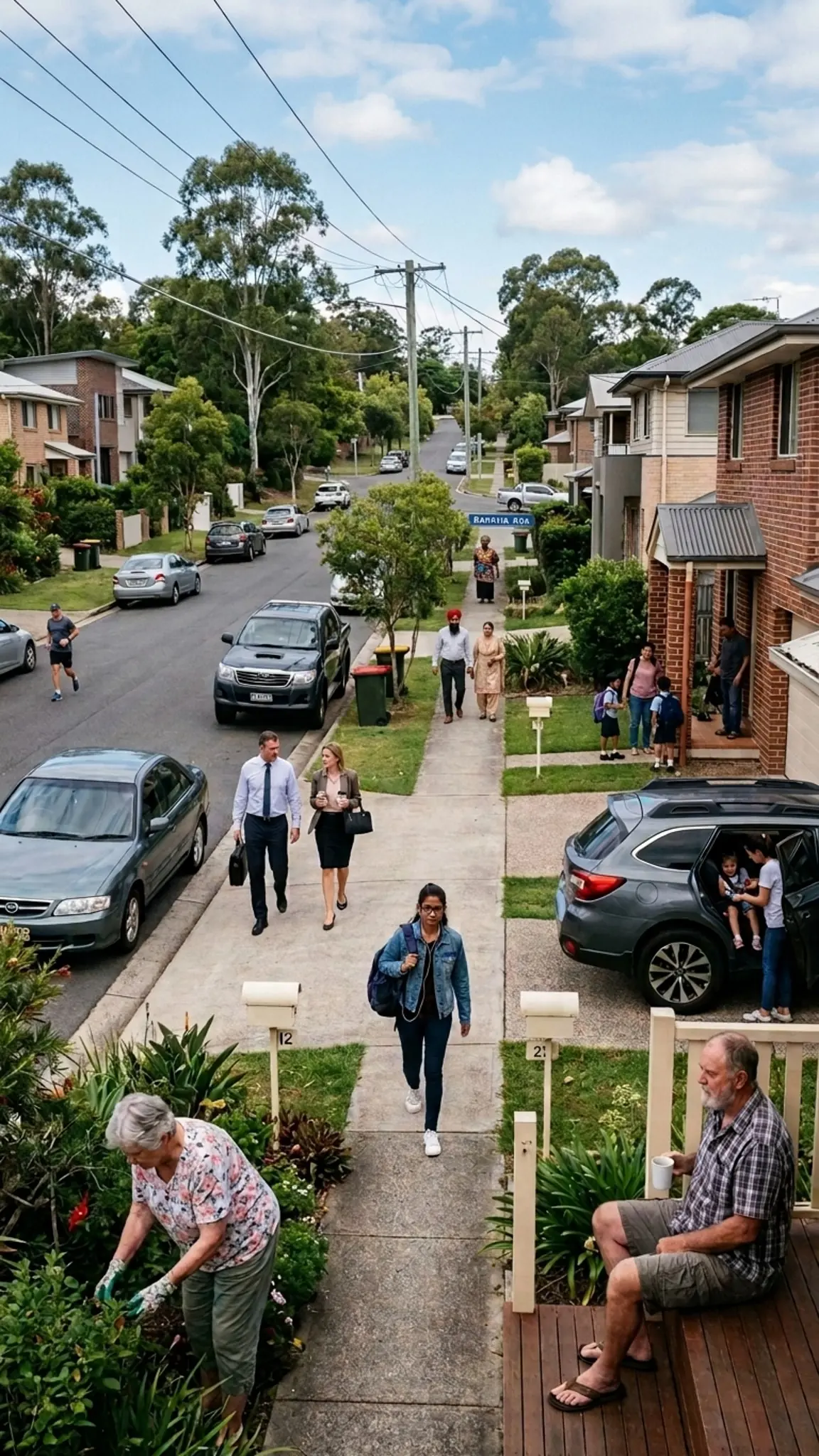
We live closer than ever. But are we really connected?
- Same street.
- Different homes.
- Different lives.
Nobody chose it. Days got fuller, fences got higher, and the small reasons to stop and talk quietly disappeared.
A neighbourhood is more than houses.
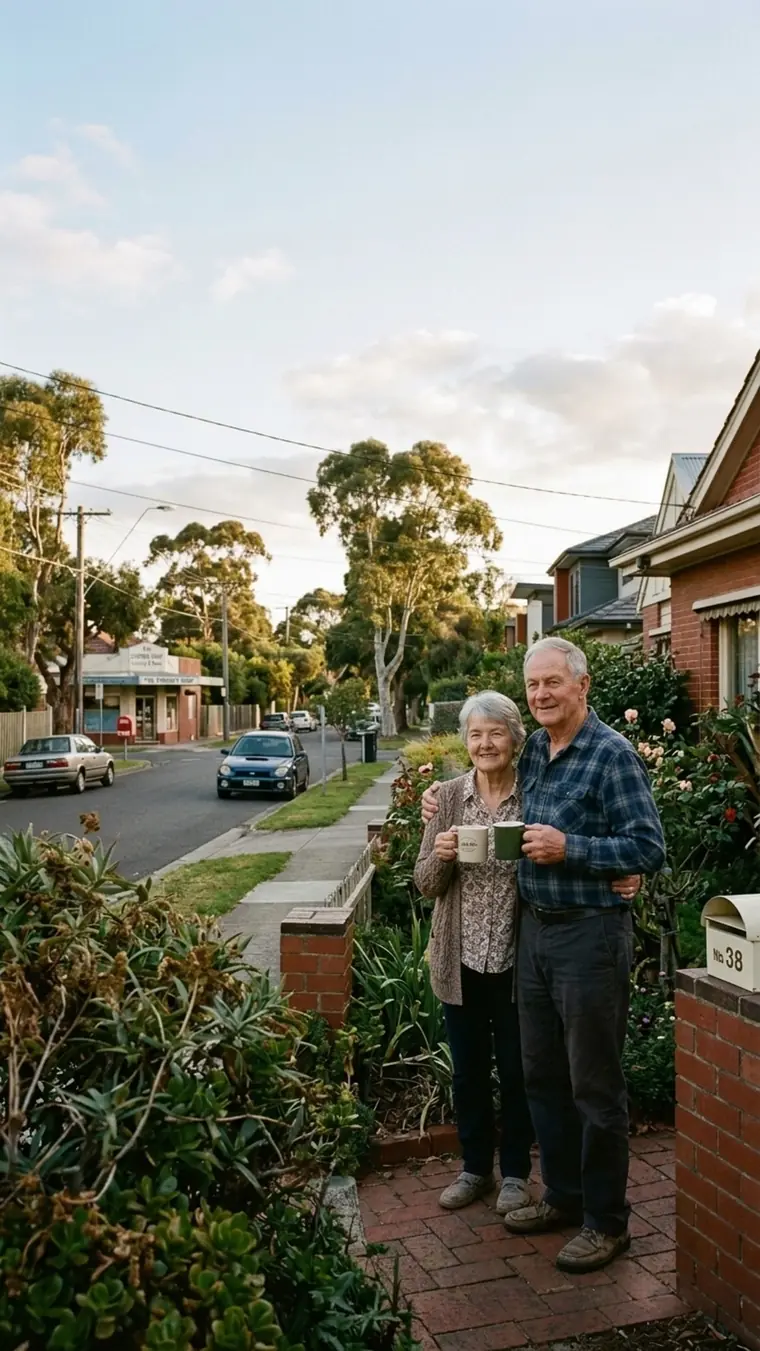
The couple who have been here forty years, and remember when the corner shop was a corner shop.
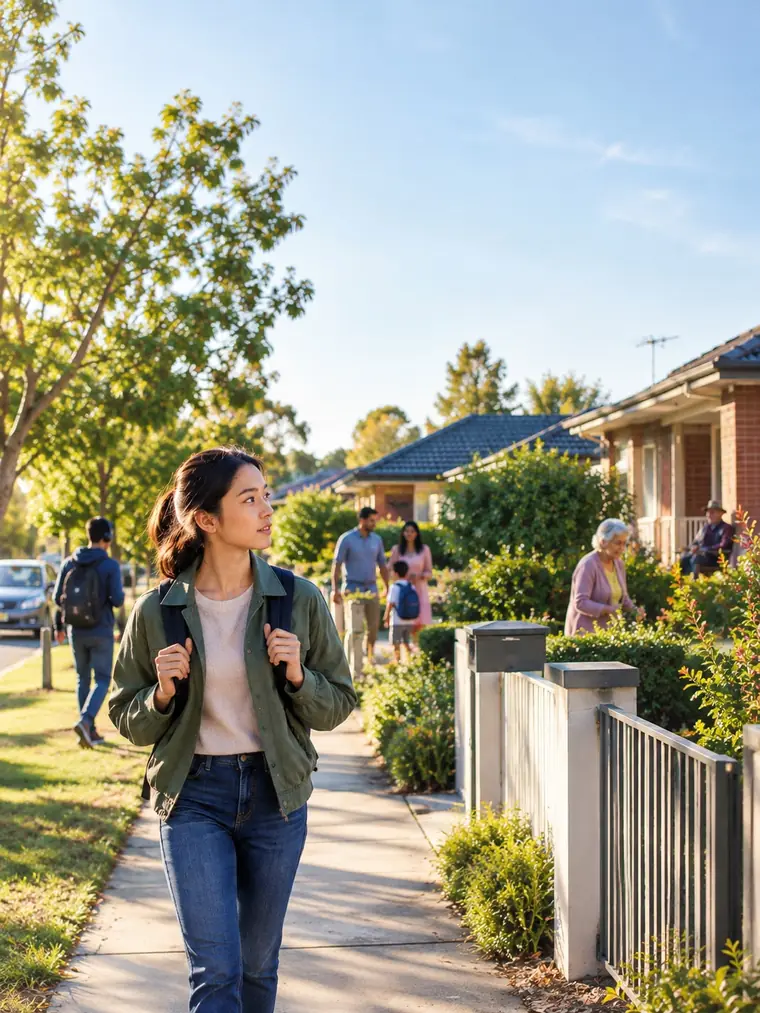
The student who arrived in February and still has not been inside a neighbour's home.
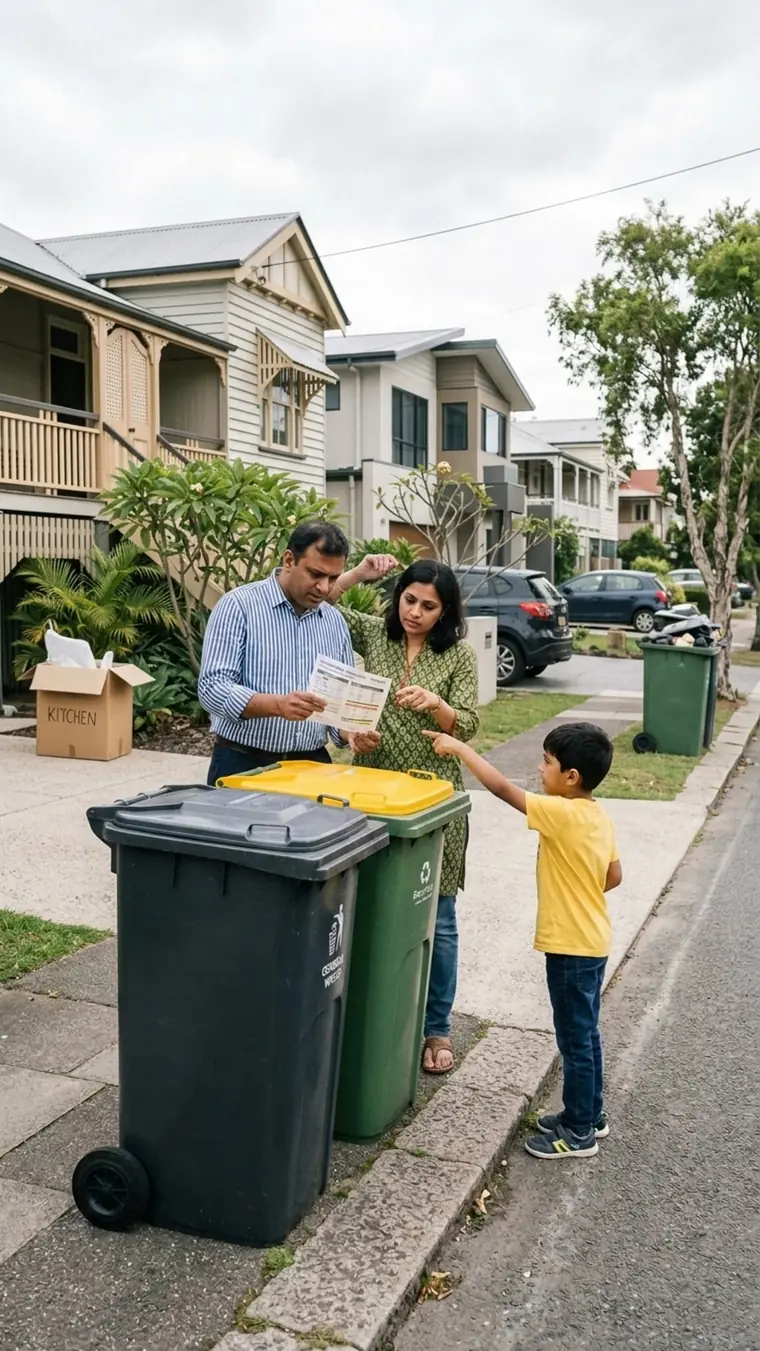
The family who moved in last month, still working out which day the bins go out.
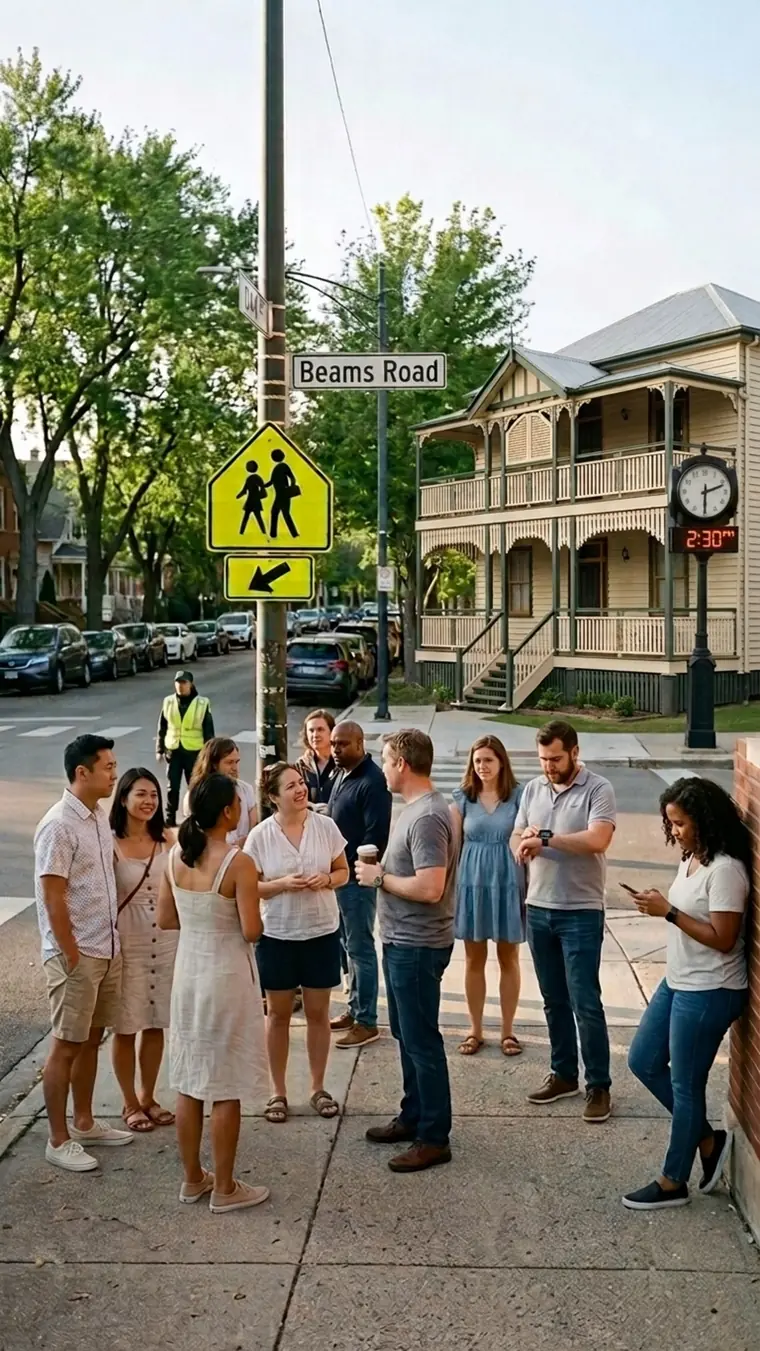
The parents on the same corner every afternoon, waiting for the school bell.
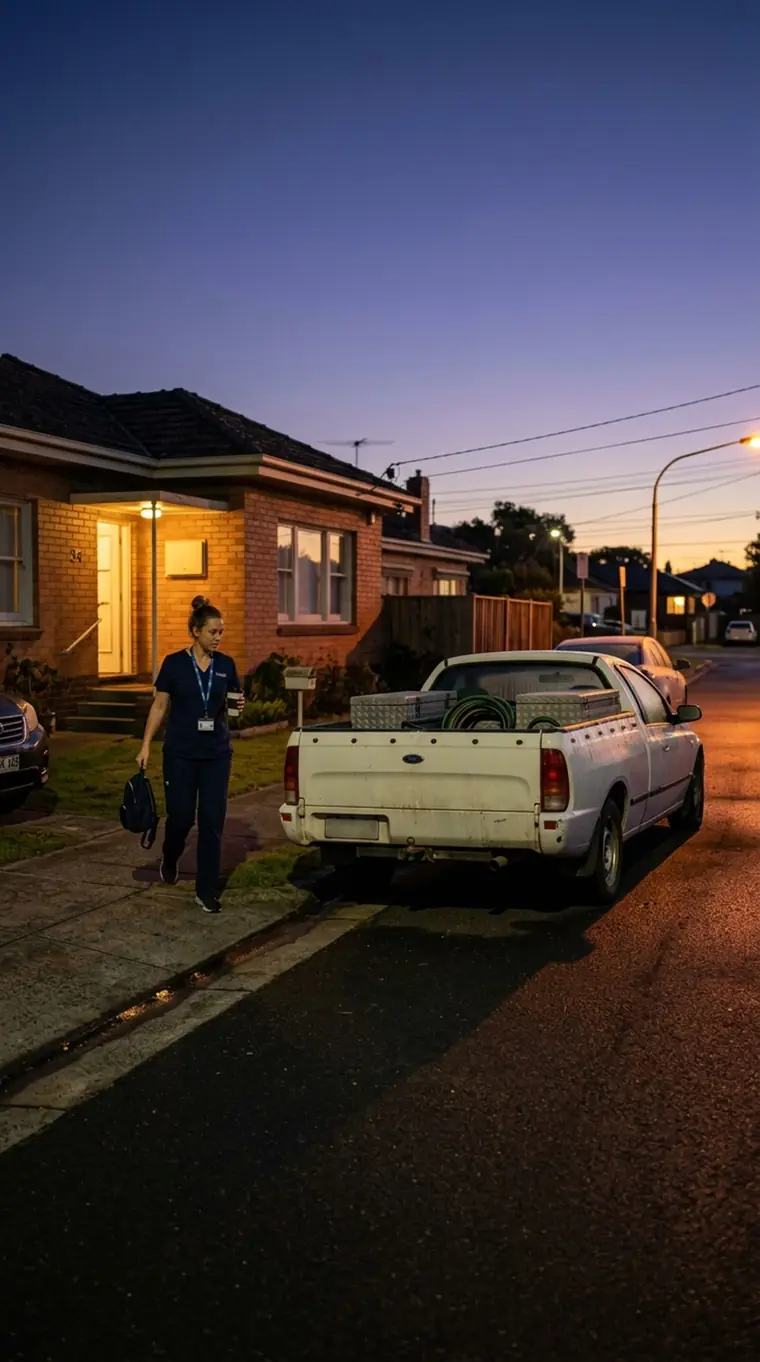
The nurse who leaves before dawn, and the ute that is always out the front by six.
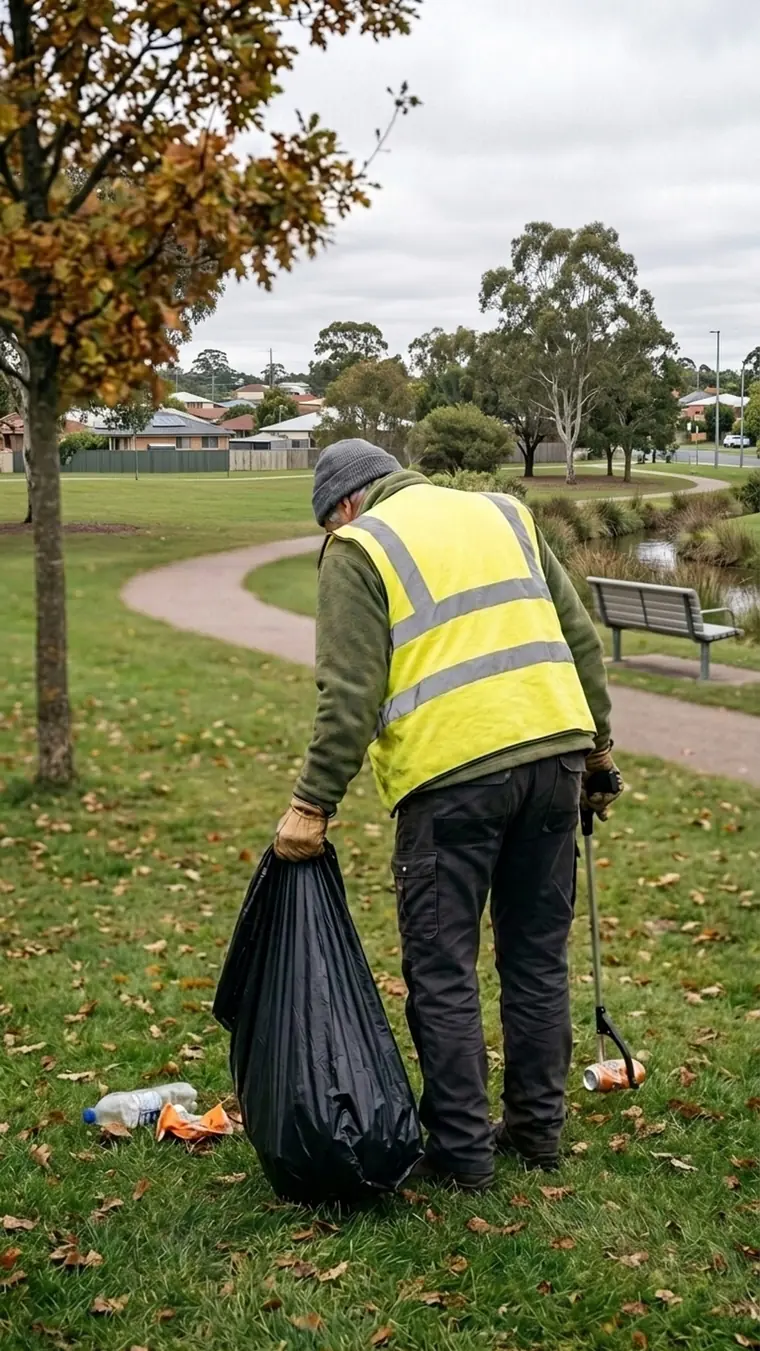
The person who picks up the litter at the park on a Saturday, because someone should.
Different stories. Different backgrounds. One community.
- the woman two doors down was not just a face at the letterbox.
- the student renting the corner flat felt like they had landed somewhere, not just found a room.
- the family who moved in last month knew someone's name by the end of the week.
- your street was a place where people noticed each other.
What would your neighbourhood look like then?
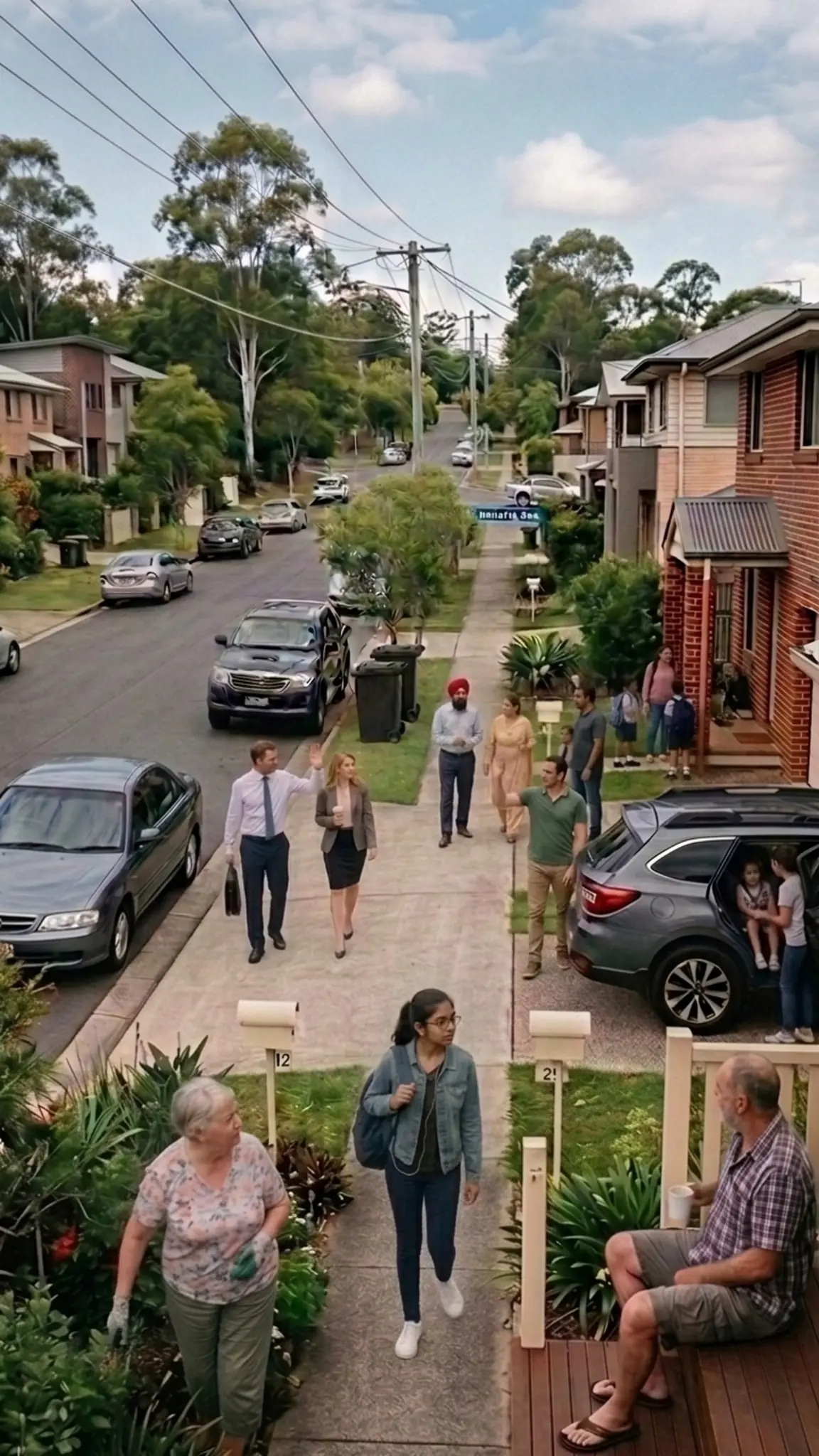
Strong communities don’t happen by accident. They grow when people have reasons to meet, talk and look out for one another.
Everyone has a place.
Community isn’t about where you come from, how old you are, or how long you’ve lived here. It’s about having people around you who know your name — and noticing when someone doesn’t.
What if your neighbourhood felt more like a community?
Maybe the people around us are more important than we realise.
Become a founder member
Palo is almost here. Tell us a little about what you might share, and we’ll let you know the moment it opens up in your neighbourhood.